Signos: mensajes de una ambición frustrada
In the work of Andrés Ramírez Gaviria, different understandings of reality drawn from a wide range of disciplines—including art history, technology, mysticism, mathematics, physics, programming, archaeology, and astronomy—enter into dialogue with remarkable acuity. Translation thus occupies a central place in the artist’s thinking, while his means of expression shift radically from one project to another.
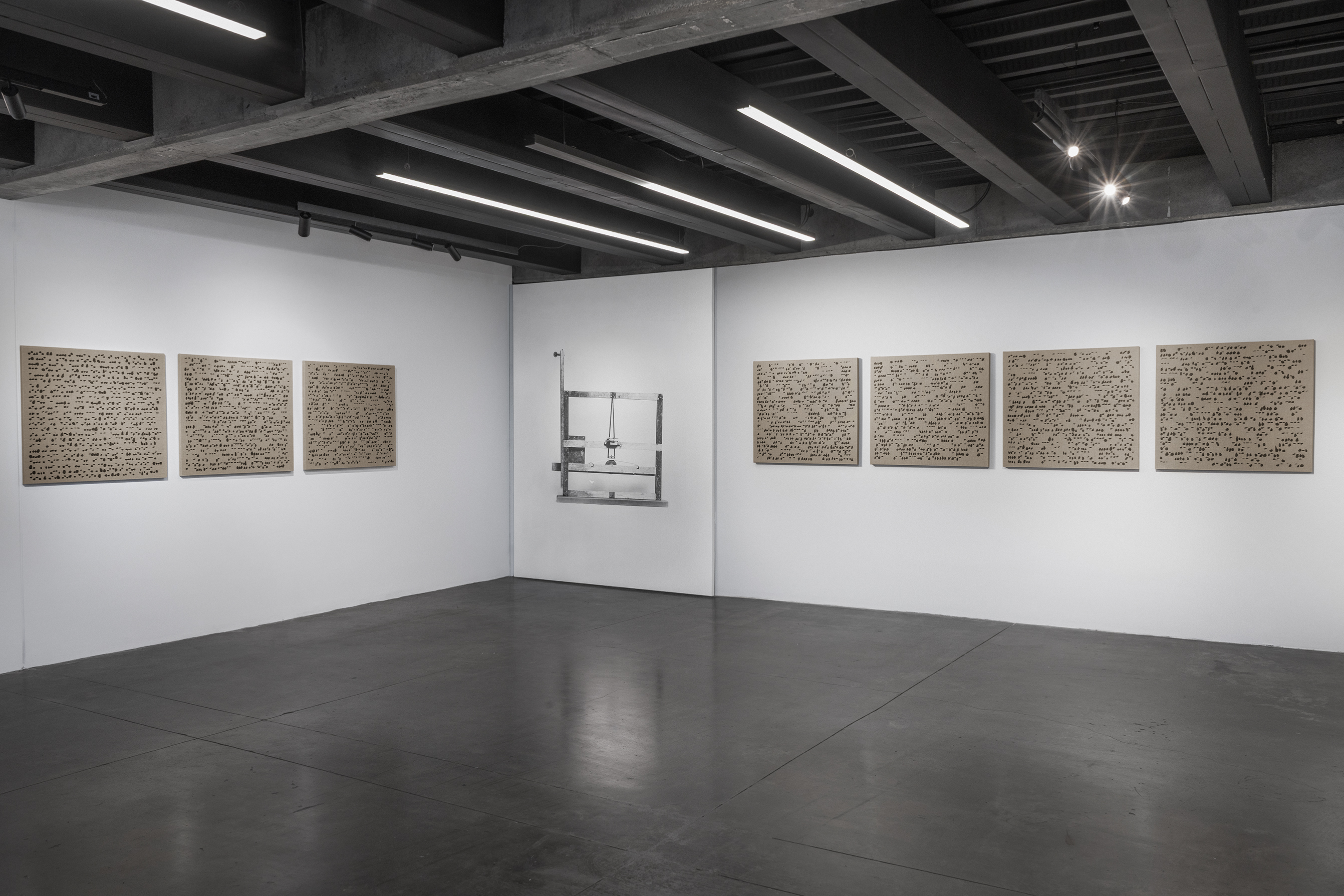
Finely Morse: Messages of Unfulfilled Ambition offers a compelling example of the multiplicity of perspectives that Ramírez Gaviria brings together in each of his projects. The work situates Samuel Morse within the history of painting while proposing that the inventor’s most significant technological achievement might be considered alongside the pioneering works of abstract art.
Few remember today that Morse was an accomplished portrait painter. Yet his unfulfilled ambition to become a painter of grand historical scenes, rather than a portraitist, ultimately led him to abandon painting and devote himself to scientific inquiry and invention.
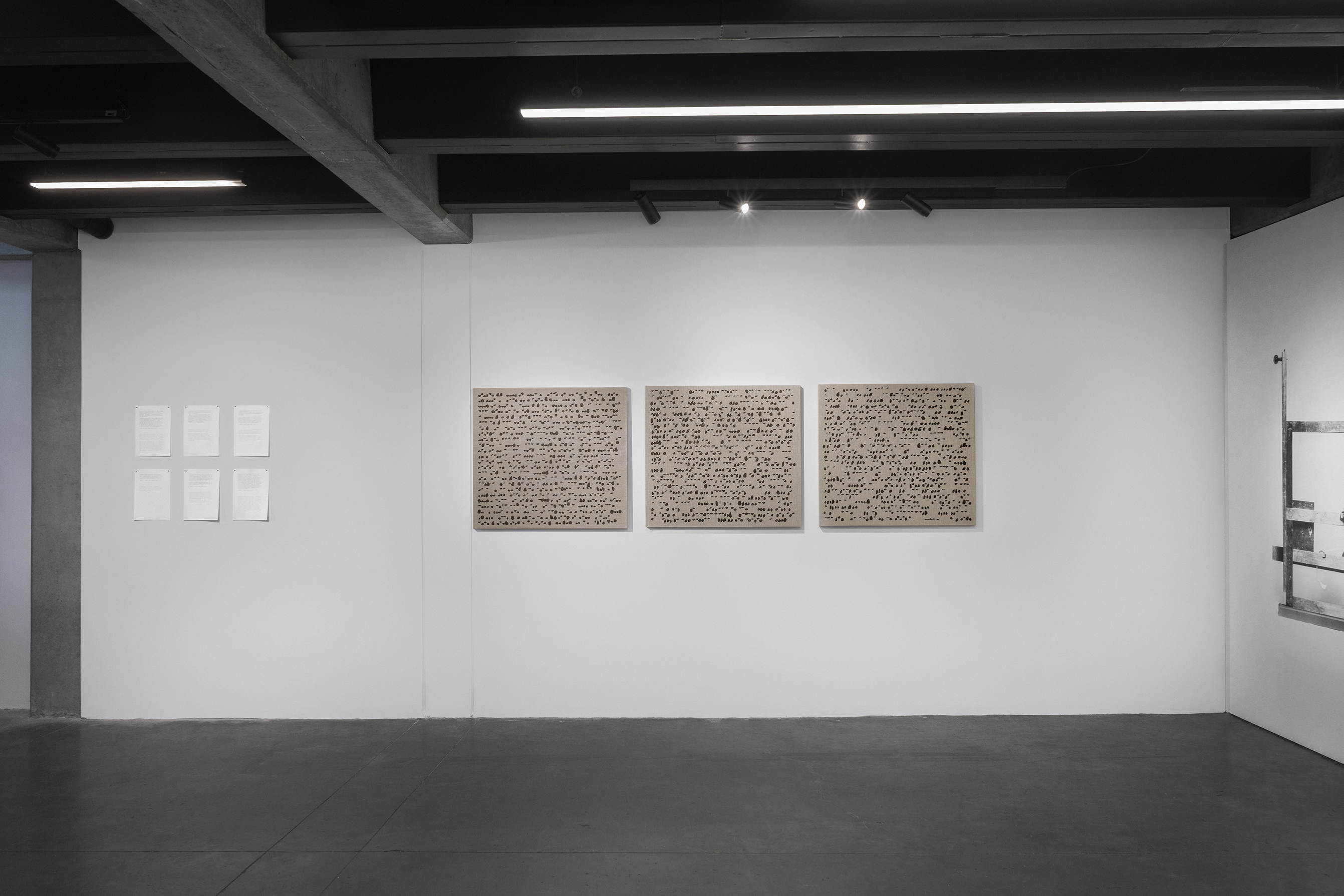
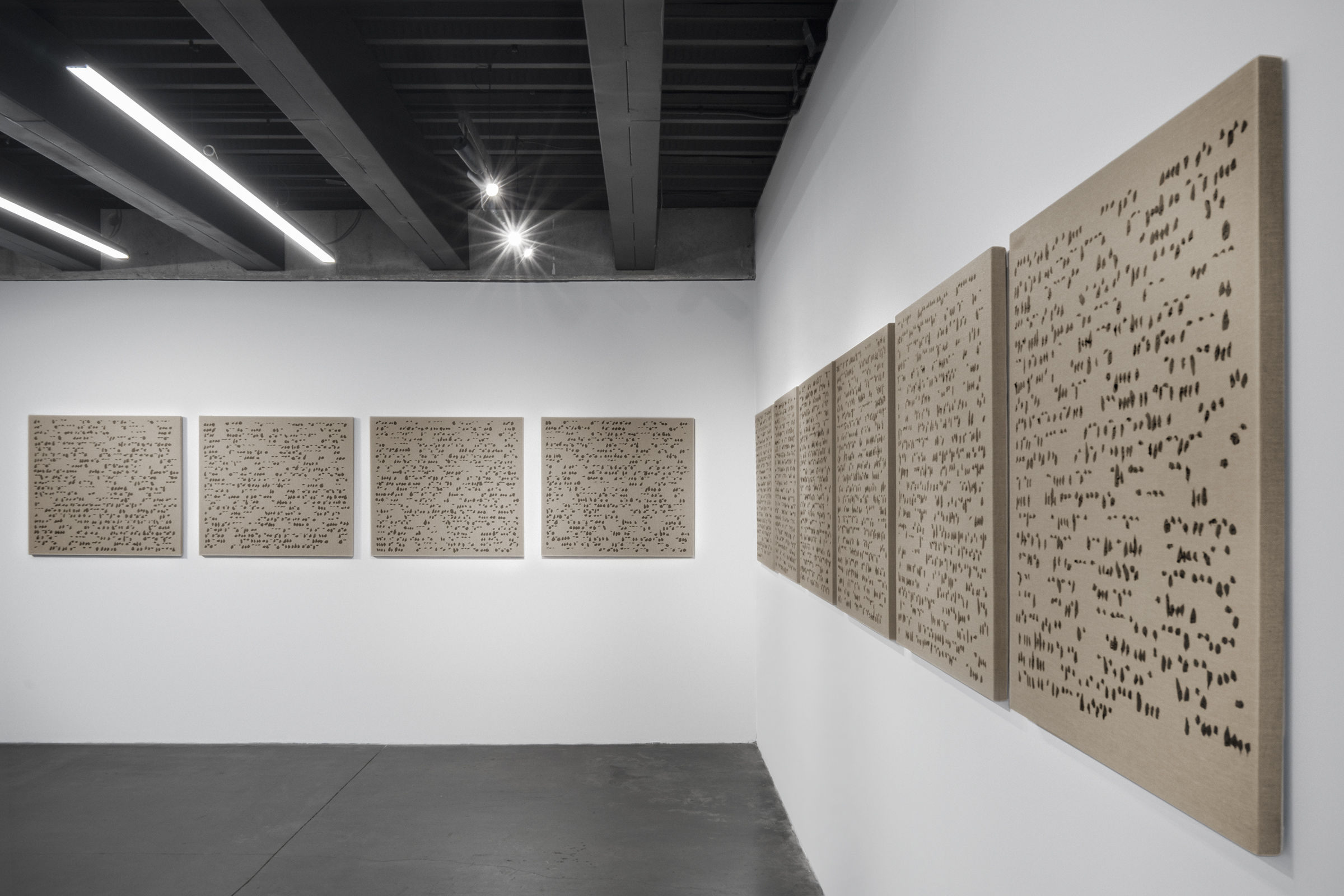
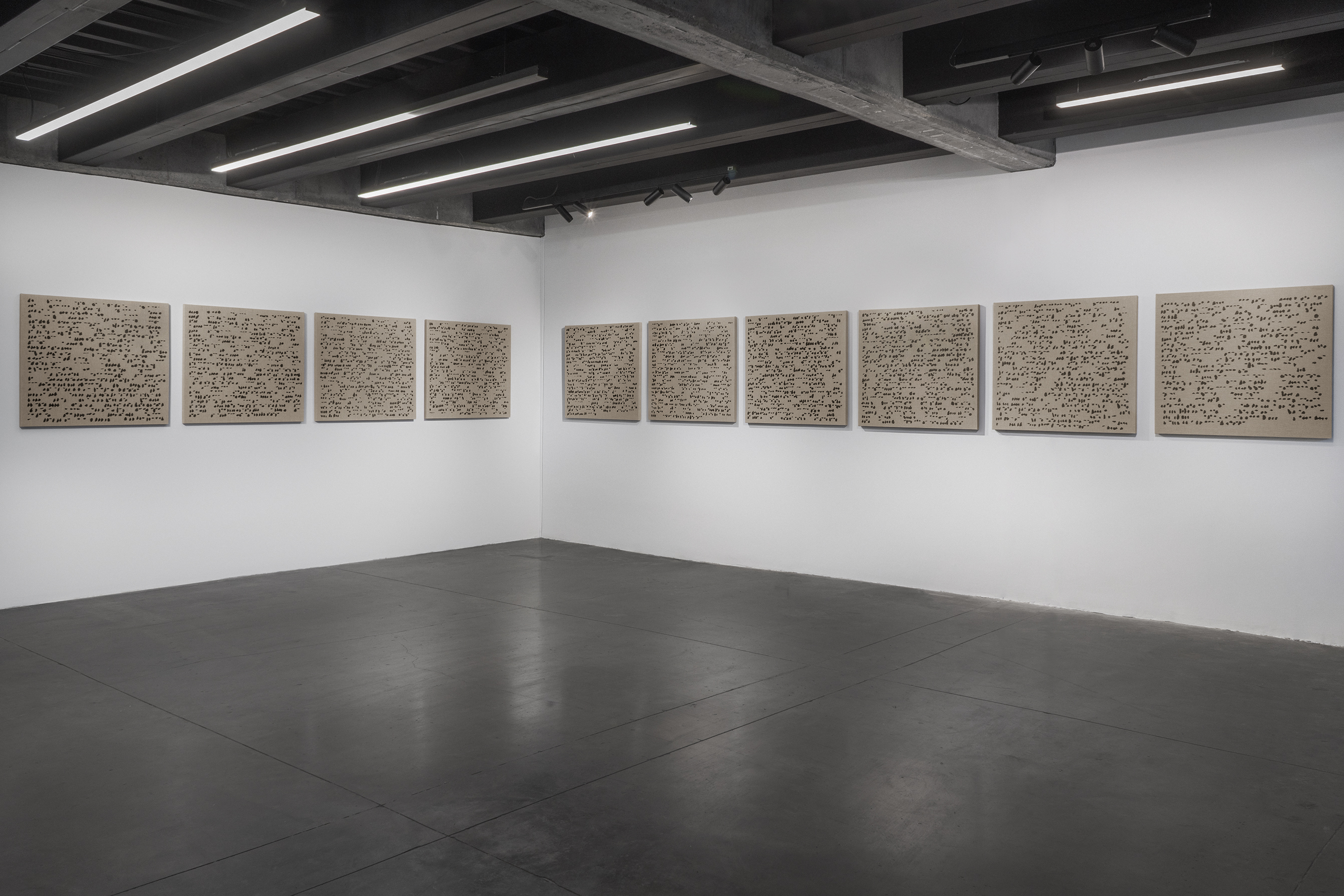
Ramírez Gaviria identifies the precise moment at which Morse shifted from one language to another, drawing attention to the fact that the inventor used a canvas stretcher, originally intended to support a future painting, as the structural framework for one of his earliest telegraphic prototypes. Alongside a reconstruction of this prototype, the artist presents paintings that translate into Morse code the letters in which the inventor expressed to family and close friends the frustration and sorrow he experienced upon relinquishing his artistic aspirations.
Through these gestures, Ramírez Gaviria expands the conceptual territory of abstraction while revealing the connections between the rational and the poetic, the formal and the ineffable, the intellectual and the mystical.